
6 Calming Techniques For Children With ADHD
Children with ADHD often struggle with hyperactivity and difficulty staying focused. These challenges can make learning feel overwhelming at any age. However, the right calming techniques can help kids regain focus and thrive. Parents and teachers can use simple, proven strategies every day. These methods support better attention, emotional regulation, and habit building.
The six calming techniques for children with ADHD include: allowing fidgeting during focus tasks, using behavior shaping to build positive habits, breaking activities into smaller chunks with regular movement breaks, practicing active relaxation like deep breathing and yoga, spending time outdoors in nature, and following consistent routines guided by healthcare professionals. Each technique is easy to start and backed by real results.
Early support makes a lasting difference for kids with attention challenges. Let's explore each calming strategy in detail below.
Let Your Child Move While They Focus
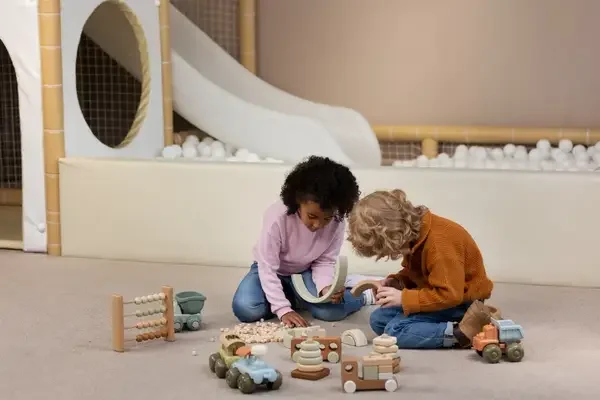
Some activities don't require your child to use their hands. Listening to a speaker or reading a book are good examples. In these moments, allow children with ADHD to fidget quietly. Small movements can actually help them stay on task. Fidget toys have grown popular for a very good reason. They work well for both kids and adults alike. These simple tools keep the restless part of the brain occupied. This frees up mental space to concentrate on what matters. Giving your child permission to fidget can reduce frustration significantly. It also builds their confidence during focused activities.
Use Small Steps to Build Better Habits
Good and bad habits rarely form on their own. Behavior shaping is a proven method from psychology. It helps encourage positive changes in how a child acts over time. The goal is to reinforce good actions until they feel natural. Most parents and teachers already do this without realizing it. Children with ADHD benefit greatly from this structured approach. Consistent shaping builds routines that support learning and focus.
Praise Often Never underestimate the power of a few kind words. Simple praise can motivate your child to keep trying. It also strengthens their belief in their own abilities.
Set Clear Expectations Lay out the ground rules for behavior from the start. Be honest, fair, and specific about what success looks like. Give gentle reminders along the way to keep things on track. Always phrase rules around the behavior you want to see. Avoid focusing on what they should not do.
Track Their Progress Find a simple way to measure growth between big goals. A running grade average or a study checklist works well. Seeing progress helps children stay motivated over time.
Make It Rewarding Start by celebrating small wins to build momentum early. Then gradually shift the focus toward bigger achievements. Rewards give children a reason to stay engaged and keep going.

Break Tasks Into Smaller Chunks
Sitting still to finish homework is hard for most people. For children with ADHD, it can feel nearly impossible. But the work still needs to get done regardless. One helpful strategy is to build in regular breaks. Let your child get up, move around, and release extra energy. These short movement breaks actually improve focus when they sit back down. Even a few minutes of activity can reset their attention.
Set clear rules about how long they need to stay focused. After that time, let them do something active before returning. A phone timer works great as a fair and neutral reminder. This keeps expectations consistent without any arguments. It also teaches children to manage their own time better.
If you know a long focus session is coming, plan ahead. Let your child play and burn off energy for about thirty minutes first. This makes sitting still afterward feel much more manageable. A little physical activity before learning goes a long way.

Help Your Child Relax on Purpose
Every child's brain can get overloaded from time to time. Extra energy can also build up and become hard to manage. When this happens, active relaxation techniques can make a big difference. These calming activities help children with ADHD reset and refocus. Teaching these skills early gives kids tools they can use for life.
Try Deep Breathing Help your child practice deep breathing when emotions or energy spike. This is a simple habit that anyone can learn quickly. Deep breaths send a natural signal to the body to calm down. Over time, this becomes a go-to coping skill for stressful moments.
Use Coloring Books Coloring is a calming activity that works for kids of all ages. It also provides a healthy creative outlet during downtime. As a bonus, coloring helps improve fine motor skills over time.
Introduce Simple Yoga Research shows yoga can help improve attention and impulse control. Even short sessions can reduce restlessness and boost self-awareness. Yoga is easy to practice at home or in a classroom setting.

Spend Time Outside in Nature
Our last big tip is simple but powerful. Get outside and connect with the natural world. Head to the backyard, a ball field, or a nearby park. Children with ADHD benefit greatly from regular time spent outdoors. Sunlight and fresh air have a natural calming effect on emotions. Being in nature also helps reduce stress in both kids and adults.
After your child has run around and burned off energy, slow down. Take a few moments to sit quietly or walk at a gentle pace. Encourage them to notice the sights and sounds around them. This shift from active to calm builds emotional awareness over time.
Sometimes getting outside is not an option for every family. Bad weather or limited access to parks can get in the way. But you can still bring nature indoors with a few easy ideas. Let your child help care for some indoor plants as a calming task. A warm bath or shower can also create a soothing nature-like experience. These small moments of connection still offer real benefits for focus and mood.
More Helpful Tips to Keep in Mind
These extra tips did not fit neatly into the sections above. However, they are still very important for supporting children with ADHD. Each one plays a key role in long-term success.
Follow Professional Guidance This tip is not for your child. It is for you as a parent or teacher. Always follow through on steps recommended by healthcare professionals. Doctors and therapists create plans for a reason. Sticking to their advice gives your child the best chance to improve. Skipping steps can slow down progress and create confusion.
Stay Consistent Every Day Be steady and reliable in how you manage behavior at home. Create structure and routine that mirrors what happens at school. Of course, leave some room for creativity and spontaneous moments. A predictable daily schedule helps children feel safe and grounded. Consistency across all parts of their day strengthens good habits. Over time, this reduces the need to closely manage every small task. It also gives your child more confidence to handle things independently.
Helping Your Child Succeed One Step at a Time
Supporting children with ADHD takes patience, consistency, and the right strategies. The calming techniques above are simple to start and easy to maintain. From allowing fidgeting to spending time in nature, each method builds focus over time. Behavior shaping, structured breaks, and active relaxation all work together. They give your child real tools to manage energy and emotions every day. The key is to stay consistent and celebrate small wins along the way. Following guidance from healthcare professionals keeps everything on the right track. Every child deserves the chance to thrive in learning and in life. At The Ladder Method, we believe progress happens through steady, supported steps. Start with one technique today and build from there. Small changes now can lead to lasting success for your child's future.
FAQs
What are the best calming techniques for children with ADHD?
Some of the most effective techniques include fidget tools, deep breathing, and structured movement breaks. Yoga and time spent in nature also help reduce restlessness. Coloring books provide a creative and calming outlet for kids of all ages. The best approach combines several methods based on your child's needs.
How does fidgeting help a child with ADHD focus better?
Fidgeting gives the restless part of the brain something to do. This frees up mental energy to concentrate on the main task. Small movements like squeezing a fidget toy can reduce frustration. It works for both children and adults during low-activity moments.
Why are movement breaks important for children with ADHD?
Sitting still for long periods is especially difficult for kids with ADHD. Short breaks let them release built-up energy before returning to work. Even a few minutes of physical activity can reset their attention. Using a timer helps keep break and focus times consistent.
How can parents build better habits in children with ADHD?
Behavior shaping is a proven method that reinforces positive actions over time. Parents can use praise, clear expectations, and small rewards to encourage progress. Tracking achievements with checklists or grade averages keeps kids motivated. Consistency is the most important factor in making new habits stick.
Can spending time in nature really help children with ADHD?
Yes, research supports that outdoor time has a calming effect on emotions and focus. Sunlight and fresh air naturally reduce stress in both kids and adults. If going outside is not possible, indoor plants or a warm bath can help. Even brief moments of connection with nature offer real benefits.