Careful Treatment Of ADHD In Children
ADHD in children is a common neurodevelopmental disorder that affects focus, impulse control, and energy. Effective treatment typically includes behavioral strategies, medication when needed, parental involvement, and emotional support. There is no single approach that works for every child with this condition. Treatment plans should be personalized based on the child's age, symptoms, and overall health. Behavioral interventions are usually the first step in managing symptoms at home and school. When those strategies are not enough, doctors may recommend stimulant or non-stimulant medications. Parents and caregivers play a central role in keeping treatment consistent across settings. Emotional and social development should also be addressed as part of a complete care plan. Cognitive behavioral therapy (CBT) and social skills training can help children build confidence. Early diagnosis and a team-based approach give children with ADHD the best chance to thrive. This guide covers the key areas of ADHD treatment that every parent should understand. Each section breaks down a specific part of the care process in simple terms.

1. Customized Behavior Strategies for Children with ADHD
Behavioral interventions are often the starting point for treating ADHD in children. These strategies help kids learn how to handle their symptoms through structure and routine. Each child responds differently, so the approach must be personalized from the start. Some children do better with a set daily schedule that limits distractions around them. Others may respond well to positive reinforcement that rewards focus and self-control. Simple changes in a child's environment can make a big difference in daily behavior. Parents and teachers are key players in making these strategies work every day. They need proper training and ongoing support from qualified professionals to stay consistent. Without that guidance, even the best plan can fall short over time. As children grow, their needs will naturally shift and change in new ways. New challenges at school or at home may require updates to the original plan. Adjusting the approach regularly helps keep these interventions effective long term. Staying flexible is one of the most important parts of managing ADHD in children.
2. When Medication Becomes Part of the ADHD Treatment Plan
Sometimes behavioral strategies alone are not enough to manage ADHD in children. In those cases, medication may become a helpful part of the overall treatment plan. Stimulant medications like methylphenidate or amphetamines are among the most commonly prescribed options. These drugs have been shown to improve focus and reduce hyperactive behavior effectively. However, medication should never be treated as a standalone solution or a quick fix. It works best when combined with other supportive strategies already in place. A careful and well-monitored approach is essential when introducing any medication to a child. Doctors should closely track potential side effects and overall impact on the child's health. Non-stimulant medications are also available for children who react poorly to stimulants. These alternatives can offer relief with fewer unwanted side effects for some kids. The choice to use medication must always come from a thorough professional evaluation. Factors like age, symptom severity, and general health should all guide the decision. Parents should feel informed and involved in every step of the medication process. Open communication with the prescribing doctor helps ensure the safest possible outcome.

3. The Role of Parents and Caregivers in ADHD Treatment
Parental involvement is one of the most important parts of treating ADHD in children. Kids do better when their parents actively learn about the condition and its effects. Understanding ADHD helps families respond with patience instead of frustration at home. Parenting programs built around ADHD can teach useful tools for managing behavior daily. These programs help parents set realistic goals and create a calmer home environment. They also reduce stress for both the child and the rest of the family. Caregivers should stay in regular contact with doctors and teachers throughout treatment. This kind of open communication keeps everyone on the same page moving forward. A team-based approach ensures that strategies stay consistent across different settings. What works at home should also be supported in the classroom and beyond. When parents, schools, and healthcare providers share the same goals, children benefit most. Adjusting plans together as needs change helps keep progress steady over time. Strong caregiver involvement gives children with ADHD the best chance to succeed.
4. Helping Children with ADHD Build Emotional and Social Skills
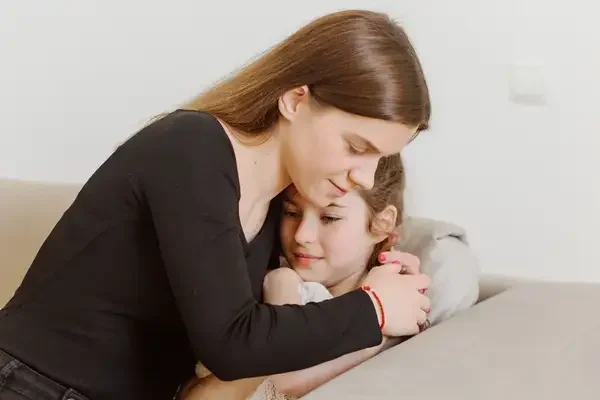
Treating ADHD in children goes beyond just managing core symptoms like focus and impulse control. Many kids also need help developing stronger emotional and social skills over time. Impulsive behavior can make it hard for children to build positive friendships with peers. Inattention may also cause them to miss important social cues in group settings. Cognitive behavioral therapy (CBT) is one effective way to address these challenges directly. It helps children better understand their emotions and learn healthy coping strategies. Kids also gain tools to improve how they interact with others around them. Schools can support this growth by offering structured social skills training programs. These programs give children a safe space to practice real-world social situations. When children feel confident in social settings, their self-esteem tends to improve as well. Emotional balance plays a big role in how well a child performs in school. Children who feel socially connected are more likely to succeed both personally and academically. Supporting the whole child is a key part of any effective ADHD treatment plan.
Giving Children with ADHD the Support They Deserve
ADHD in children requires a thoughtful and well-rounded approach to treatment. No two children experience this condition in the exact same way. That is why personalized care plans are so important from the very beginning. Behavioral strategies, medication when appropriate, and strong parental involvement all play key roles. Emotional and social development must also be part of the bigger picture. Children thrive when the people around them work together as a team. Early action and consistent support can make a lasting difference in a child's life. At The Ladder Method, we believe every child deserves a clear path forward. With the right tools and guidance, families can feel confident in the journey ahead. The most important step is simply getting started with the right support system. When children feel understood and supported, they are more likely to reach their full potential.
FAQs
What are the first signs of ADHD in children?
Common early signs include trouble paying attention, acting without thinking, and constant movement. Children may also struggle to follow instructions or sit still during quiet activities. These behaviors are usually more intense than what is typical for their age. If you notice a pattern, speak with your child's doctor for a proper evaluation.
What age is ADHD usually diagnosed in children?
Most children receive a diagnosis between the ages of six and twelve. However, some symptoms can appear as early as preschool age in certain cases. A formal evaluation by a qualified professional is needed to confirm the diagnosis. Early identification helps families start the right support plan sooner.
Can ADHD in children be managed without medication?
Yes, many children respond well to behavioral strategies and structured routines alone. Therapy, parenting programs, and school-based support can also make a significant difference. Medication is typically considered only when other methods are not enough on their own. The best approach depends on the child's individual symptoms and daily challenges.
How can parents support a child with ADHD at home?
Parents can help by creating consistent routines and setting clear expectations every day. Positive reinforcement for good behavior encourages focus and builds the child's confidence. Staying in close contact with teachers and doctors also keeps treatment on track. Learning about ADHD helps parents respond with patience and better understanding.
Does ADHD affect a child's social and emotional development?
Yes, children with ADHD may find it harder to make friends or read social cues. Impulsive behavior can sometimes lead to misunderstandings with peers and classmates. Therapy options like CBT and social skills training can help children improve in these areas. With the right support, kids can build stronger relationships and greater self-esteem.