The Impact Of Untreated ADHD In Children: Recognizing The Signs And How To Get Support
ADHD in children is a common brain-based condition that affects focus, behavior, and impulse control. It is one of the most frequently diagnosed neurodevelopmental disorders in young people worldwide. When left untreated, ADHD can lead to struggles in school, social difficulties, and low self-esteem. Early support and proper treatment can greatly improve a child's quality of life.
Many parents wonder how to spot the signs of ADHD and where to get help. The truth is, the sooner you act, the better the outcome for your child. ADHD does not go away on its own, but the right care makes a big difference. In this guide, we break down the real effects of untreated ADHD on children. We also explain the most common warning signs to look for at home and school. Finally, we share clear steps you can take today to get your child the support they need.

What Happens When ADHD in Children Goes Untreated
1. Falling Behind in School
One of the first signs of untreated ADHD in children is trouble at school. These kids often find it hard to stay focused for long periods of time. Staying organized and managing their time can also feel overwhelming for them. They may not finish homework, miss key instructions, or lose track during lessons. Over time, this leads to lower grades and growing frustration in the classroom. Without the right support, these academic struggles can follow them for years.
2. Trouble With Emotions and Friendships
Untreated ADHD can also affect how a child connects with others around them. Many children with this condition find it hard to control their emotions day to day. This can show up as sudden outbursts, acting without thinking, or overreacting to small problems. These patterns make it harder to build and keep friendships with other kids. Over time, they may start to feel left out or alone at school. These emotional challenges can also lead to mood disorders like anxiety or depression.

3. Taking More Risks
As kids with ADHD grow into their teen years, untreated symptoms can increase risk-taking. They may act on impulse more often without thinking about what could happen next. Some teens may turn to substance use or make unsafe choices more frequently. These patterns of risky behavior can create long-term problems in their daily lives. Early support can help reduce the chance of these outcomes significantly.
4. Losing Confidence and Self-Worth
Constant struggles without support can wear down a child's belief in themselves over time. They may start to feel like they are not smart enough or simply not good enough. These negative thoughts can build up and lead to feelings of sadness or hopelessness. This is especially common when children hear repeated criticism from teachers or parents. Being told they cannot sit still, pay attention, or behave only deepens these feelings. Building a child up with encouragement and proper care can help protect their self-image.
How to Spot the Signs of Untreated ADHD in Children
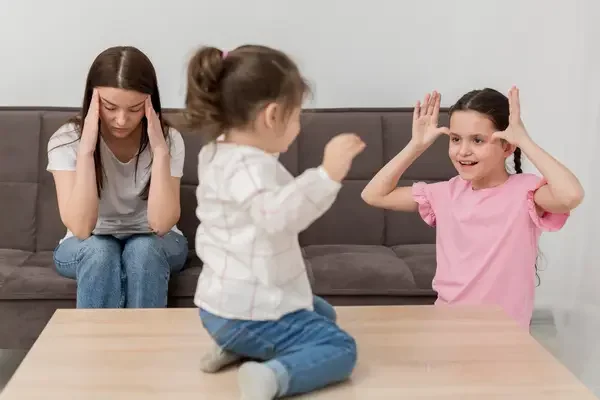
The first step toward helping a child is knowing what to look for early on. ADHD in children can show up in many different ways at home and school. Here are some of the most common signs parents and caregivers should watch for. A child may have trouble paying attention or get distracted very easily by things around them. They might act on impulse without stopping to think about the results first. Some children show high levels of physical energy that feel hard to control. Staying organized and keeping track of time can be a daily challenge for them. They may forget things often, even tasks they were just told about moments ago. Following directions from start to finish may feel confusing or overwhelming for them. You might notice your child zoning out or daydreaming during class or conversations. Starting projects or homework is one thing, but finishing them is another struggle entirely. Recognizing these signs early gives families a better chance to seek the right support.

Getting Help Early: Steps to Support a Child With ADHD
Early action is one of the best ways to manage the effects of ADHD in children. If you think your child may have this condition, acting sooner helps more than waiting. Even if your child already has a diagnosis, the right next steps still matter greatly.
1. Talk to a Healthcare Professional: Start by reaching out to a pediatrician, child psychiatrist, or psychologist for guidance. Choose someone who has experience working with children who have attention and behavior challenges. They can provide a proper diagnosis and suggest the best treatment options available. A trained professional can also help rule out other conditions that may look similar.
2. Create a Treatment Plan That Fits Your Child: Treatment for ADHD may include behavioral therapy, counseling, or medication in some cases. Every child is different, so the plan should match their specific needs and strengths. Working closely with your child's care team helps ensure the approach stays effective. Adjustments can be made along the way as your child grows and changes.
3. Build a Strong Support System: Parents, caregivers, and teachers all play a big role in helping kids with ADHD. Learning more about the condition helps everyone respond with patience and understanding. Simple strategies at home and school can go a long way in managing daily symptoms. Open communication between families and educators creates a more supportive environment for the child.
4. Keep Track of Progress Over Time: Check in on your child's progress regularly and update their treatment plan when needed. ADHD is a lifelong condition, so ongoing care and support truly matter in the long run. Small changes over time can lead to big improvements in how your child feels. Staying involved shows your child that they are not facing these challenges alone.
Moving Forward With the Right Support
Untreated ADHD in children can create real challenges in school, friendships, and emotional health. But spotting the signs early and getting the right help can change everything. With proper care, children with ADHD can build the skills they need to thrive. They can grow into confident, capable young people who lead full and rewarding lives. No child has to face ADHD without the support they deserve.
The key is to take that first step and seek guidance from trusted professionals. Programs like The Ladder Method offer structured support to help families navigate the path forward. Every child deserves a chance to reach their full potential with the right tools in place. When parents, caregivers, and experts work together, lasting progress becomes possible. Acting today can set the stage for a brighter, more confident tomorrow for your child.
FAQs
What are the early signs of ADHD in children?
Early signs often include trouble paying attention, acting on impulse, and constant restlessness. A child may also struggle to follow directions or finish tasks at school. Forgetfulness and frequent daydreaming are also common indicators parents notice first. If these patterns persist over time, it is worth speaking with a healthcare professional.
At what age can a child be diagnosed with ADHD?
Children can be diagnosed with ADHD as early as age four in many cases. However, symptoms often become more noticeable once a child starts school. A pediatrician or child psychologist can evaluate behavior patterns and developmental history. Early diagnosis allows families to begin support and treatment sooner rather than later.
How does untreated ADHD affect a child's performance in school?
Untreated ADHD can make it hard for children to stay focused during lessons and assignments. They may miss instructions, lose track of tasks, or fall behind on homework regularly. Over time, these struggles can lead to lower grades and increased frustration in the classroom. The right support can help children develop strategies to manage their schoolwork more effectively.
Can ADHD in children improve without medication?
Yes, many children benefit from behavioral therapy, structured routines, and school-based support plans. Counseling can also help children learn coping skills and emotional regulation techniques. In some cases, a combination of therapy and medication works best for the child. A healthcare provider can help determine the right approach based on individual needs.
How can parents support a child with ADHD at home?
Parents can create consistent daily routines that help their child stay organized and on track. Breaking tasks into smaller steps makes them feel less overwhelming for the child. Positive reinforcement and encouragement go a long way in building confidence over time. Open communication with teachers also helps ensure support is consistent at school and home.