Four Ways To Check Anger In Children With ADHD
Children with ADHD often struggle with anger due to challenges with emotional regulation. Research shows that 40 to 65 percent of kids with ADHD also have Oppositional Defiant Disorder (ODD). ODD is a condition closely linked to frequent anger and defiant behavior. Angry outbursts in these children are not a choice. They are a symptom of how ADHD affects the brain's ability to manage emotions. The good news is that parents can take real steps to help. Strategies like identifying anger triggers, leading with empathy, modeling calm behavior, and teaching self-regulation skills can reduce outbursts over time. Early support can make a real difference in your child's daily life. This guide covers four proven approaches to help children with ADHD handle anger in healthy ways.
1. Know What Causes the Anger
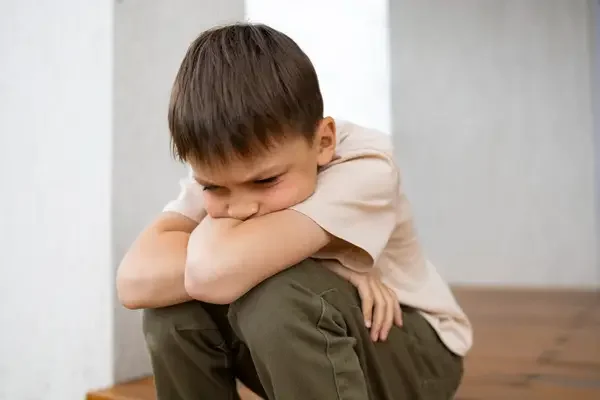
Anger is what experts call a secondary emotion. That means something deeper is always behind it. Common causes include frustration, guilt, fear, worry, and anxiety. Loneliness, disappointment, jealousy, and embarrassment can also trigger it. Even hunger or tiredness can lead to angry outbursts. Sometimes the cause is easy to spot. For example, a sibling may say something embarrassing. Other times, the reason is harder to find. A child may feel stressed about an upcoming test at school. That stress can come out as anger instead. Helping children with ADHD recognize these triggers is a powerful step. It teaches them to solve problems rather than react. Kids who understand their emotions feel more in control of them. This awareness builds emotional strength that lasts into adulthood.
2. Show Understanding Instead of Punishment
When your child is upset and angry, try leading with empathy. Start by asking, "Are you ok?" instead of "You need to stop." This small shift can make a big difference. Follow up with, "How can I help?" or "What do you need?" A gentle approach works better than discipline in these moments. Punishing children with ADHD during an outburst often makes things worse. It can cause them to become more defensive and shut down. Instead, open a calm conversation with your child. Let them explore why they feel upset. Help them think about ways to calm down on their own. This kind of dialogue builds trust between parent and child. Over time, it teaches kids that their feelings are valid and manageable.
3. Stay Calm and Give Them Space
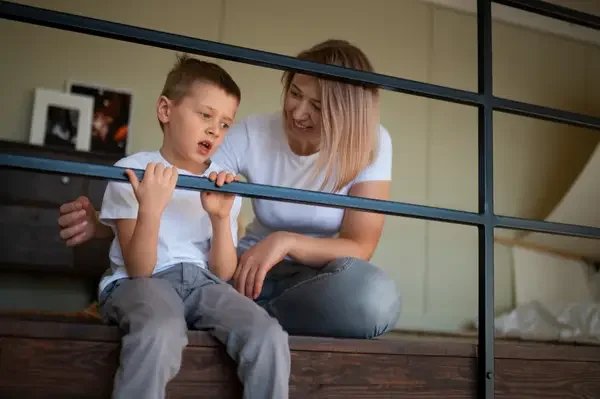
If your child is safe but too upset to talk, it is ok to walk away. Resist the urge to keep engaging with them in that moment. Let them know you will help once they feel calmer. This shows children with ADHD that emotions can be handled with patience. It is also important to model calm behavior yourself. Try not to get caught up in your child's anger. Kids often mirror the energy of the adults around them. When you stay calm, your child learns how to do the same. Giving space does not mean ignoring the problem. It means waiting for the right moment to connect and help.
4. Take Steps Before Anger Starts
You can help prevent anger from becoming a bigger problem. The key is to act early and teach self-regulation skills. Start by looking at what triggers your child's anger. Then make small changes to avoid those triggers when possible. For example, test stress is a common issue for children with ADHD. You can contact your child's teacher for early notice about upcoming tests. This gives your child more time to prepare and feel confident. Teaching self-regulation methods is just as important as prevention. Deep breathing and physical exercise are great places to start. Journaling, drawing, and talking about feelings also help kids calm down. A self-imposed time-out can give your child space to cool off. These tools give kids the power to manage their own emotions. Building these habits early sets them up for long-term success.
Helping Your Child Build Lasting Emotional Skills
Anger does not have to define your child's experience with ADHD. With the right tools, every outburst can become a chance to grow. Start by learning what triggers your child's anger. Lead with empathy instead of punishment. Stay calm when emotions run high. Teach self-regulation skills that your child can use every day. These small steps add up to big changes over time. Children with ADHD can learn to manage their emotions with patience and support. At The Ladder Method, we help families build these skills step by step. Our approach focuses on giving parents and children practical strategies that work. You do not have to figure this out alone. The right guidance can make all the difference for your family. Take the first step today toward a calmer, more connected home.
FAQs
Why do children with ADHD get angry so easily?
ADHD affects how the brain processes and controls emotions. This makes it harder for kids to manage frustration and stress. Anger is often a reaction to deeper feelings like anxiety or disappointment. Understanding this can help parents respond with more patience and empathy.
What is Oppositional Defiant Disorder and how is it linked to ADHD?
Oppositional Defiant Disorder (ODD) is a condition marked by frequent anger and defiance. Studies show that 40 to 65 percent of children with ADHD also have ODD. The two conditions together can make emotional outbursts more intense. Early support and the right strategies can help manage both conditions.
How can I calm my child with ADHD during an angry outburst?
Start by staying calm yourself, as children mirror adult behavior. Ask simple questions like "Are you ok?" or "How can I help?" Avoid punishment or discipline during the outburst. Give your child space if they are too upset to talk.
What are good self-regulation techniques for kids with ADHD?
Deep breathing and physical exercise are great starting points. Journaling, drawing, and talking about feelings also help kids process emotions. A self-imposed time-out gives children space to cool down on their own. Practicing these methods regularly helps them become natural habits over time.
Can children with ADHD learn to control their anger long term?
Yes, with consistent support, kids can develop strong emotional regulation skills. Teaching them to recognize triggers is an important first step. Empathy, calm modeling, and proactive strategies all play a role. These skills grow stronger with practice and carry into adulthood.