How ADHD May Be Affecting Your Child's Social Skills?
ADHD and social skills come apart at one point. The brain's self-control system runs late. Most kids with ADHD can recite every playground rule you ask about, and still can't run those rules live, at speed, while excited. That gap between knowing and doing explains why the usual fix, a weekly social skills class, keeps letting parents down. So this post spends more time on recess than on therapy offices, and skips diagnosis and medication dosing.
ADHD and social skills connect through executive function, the brain's system for pausing, waiting, holding information, and controlling reactions. When that system lags, a child misses cues, talks over people, and reacts before thinking. Peer rejection follows. In the largest treatment study ever run on childhood ADHD, 52% of these children were rejected by classmates, against 14% of their peers.

How Does ADHD Change the Way Kids Develop Social Skills?
Social skills run on timing, and ADHD steals timing. Your child has to read a face, wait a beat, pick words, and hold back the other 3 things they wanted to say. Every step needs executive function, and every one runs slow.
You've probably seen this number: kids with ADHD run 30% behind peers in self-regulation. It's on every parenting site, almost never with a source. Russell Barkley coined it as a clinical rule of thumb, not a measurement.
Actually, calling it a rule of thumb sells it short. Philip Shaw's NIMH team scanned 223 children with ADHD plus a matched group and found cortical thickness peaked at age 10.5 in the ADHD group, versus 7.5 in the comparison group. In the middle prefrontal cortex, which handles waiting and planning, the lag reached 5 years.
A 12-year-old with ADHD walks into a middle school lunchroom with the social brakes of a 9-year-old. Other kids don't grade on a curve for that.
What ADHD Looks Like in the Moment
Three clusters cause most of the damage, and they look different at a lunch table than on a checklist.
Inattention: what your child misses
Loses the thread halfway through a friend's story
Doesn't register the eye roll or the step backward
Goes quiet and drifts off when a group gets loud
Hyperactivity: too much, too fast
Talks over people without noticing
Jumps between 4 topics in one breath
Locks onto one subject long past the group's interest
Impulsivity: words that beat the brake
Blurts the thing everyone thought and nobody said
Stands too close, touches, grabs
Starts talking in the middle of someone else's sentence
None of these mean your child doesn't care. They mean the pause button isn't wired yet.
Why Does One Bad Week Turn Into a Bad Year?
Peer rejection compounds. That's what parents underestimate, and the reason to act instead of waiting for maturity.
The cycle is short and brutal. Your child interrupts and stands too close. Classmates read it as rude and stop inviting. Fewer invitations mean fewer reps at the skills already behind, so they stay behind. Then your child skips the cafeteria to dodge the rejection, which removes the last practice ground.
Follow-up work on 300 children with combined-type ADHD, published in 2012, shows the reach. Peer rejection in elementary school predicted cigarette smoking, delinquency, anxiety, and overall impairment 6 years later. At 8 years out, it still predicted impairment.
Then the finding that upends standard advice. One mutual friend did nothing to protect these kids. Rejection predicted heavier smoking later among children who had a friend, not among the friendless. "Just find him one good buddy" is the most common thing I hear from parents and teachers. The data doesn't back it.
Do Peer Relationships Matter That Much?
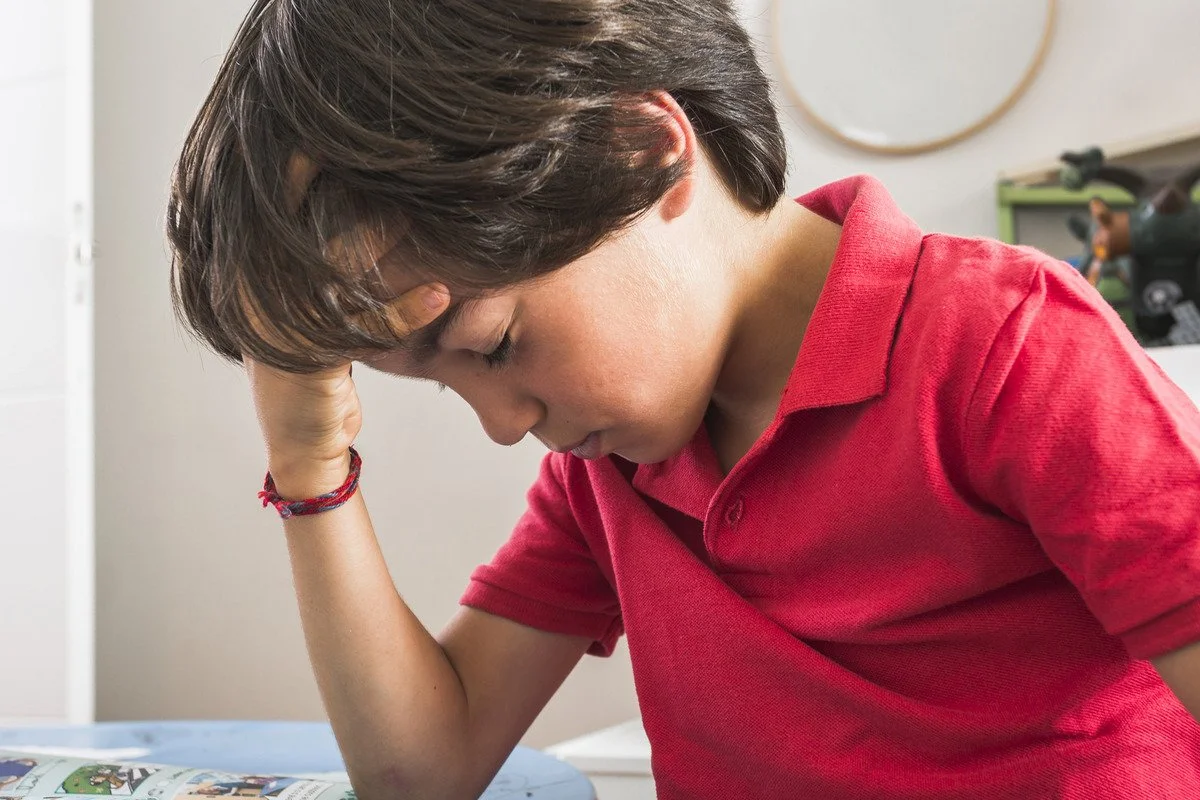
Yes, and not for the reason usually given. Friendships are where kids rehearse negotiation, repair after a fight, and read a room. School grades the results.
Adolescence raises the stakes. Teens get more sensitive to social signals as the signals get subtler. A 7-year-old's rejection is loud. A 13-year-old's is a group chat your kid isn't in.
Close to 70% of our clients are neurodivergent, and the referral pattern holds. Parents call about grades. Two sessions in, the problem is group projects and dropped friendships, which is why executive function shapes social thinking more than families expect.
Can Weak Social Skills Hurt Your Child’s Grades?
They can, and intelligence has nothing to do with it. A student who can't sit through a group discussion loses access to the discussion. Three failure points show up in our intake notes.
Disruptive behavior. Team sports in PE fall apart. So does staying on task for 40 minutes.
Holding another kid's view. Group work asks a child to keep someone else's opinion in mind while forming their own. That's working memory plus impulse control at once, the pair ADHD taxes hardest. Worth reading up on the 7 executive functions ADHD affects.
Starting a conversation. Asking a teacher for help means reading whether now is a good moment. Kids who guess wrong twice stop asking, then fall behind quietly until report cards.
The 3 Core ADHD Symptoms, and What to Do About Each
Skip the general advice. Each symptom needs a different move.
What helps with impulsivity in the moment?
Not reminders. Reminders arrive after the blurt. Rehearsal plus a physical cue works.
Pick one recurring moment, like dinner. Agree on a hand signal that means "you're next, hold it." Run it 2 weeks in that setting only. You're moving the pause outside your child's head.
How do you help a kid who tunes out mid-conversation?
Give them a job. Listening with no task is nearly impossible for an inattentive brain, so hand over a role: ask 2 questions before talking about yourself. Kids hold a rule better than "pay attention."
Why doesn't "sit still" work?
Because the movement regulates something. Tell a child with ADHD to freeze and the whole attention budget goes to freezing. Nothing is left for the conversation. Allow the fidgeting, redirect it somewhere quiet, and judge the interaction on whether your child tracked what was said.
Reading social cues, the hardest one
Face reading is hard for everyone. Emotion researchers have argued for years that reading faces is unreliable even for neurotypical adults. Your child isn't failing a test the rest of us ace.
Teach context instead. Body angle, distance, whether people are still talking to you. Coarser signals, easier to catch. When frustration spikes mid-conversation, recovery matters more than reading, which is why we spend so much time helping kids calm down mid-meltdown.
What Actually Works for ADHD and Social Skills?
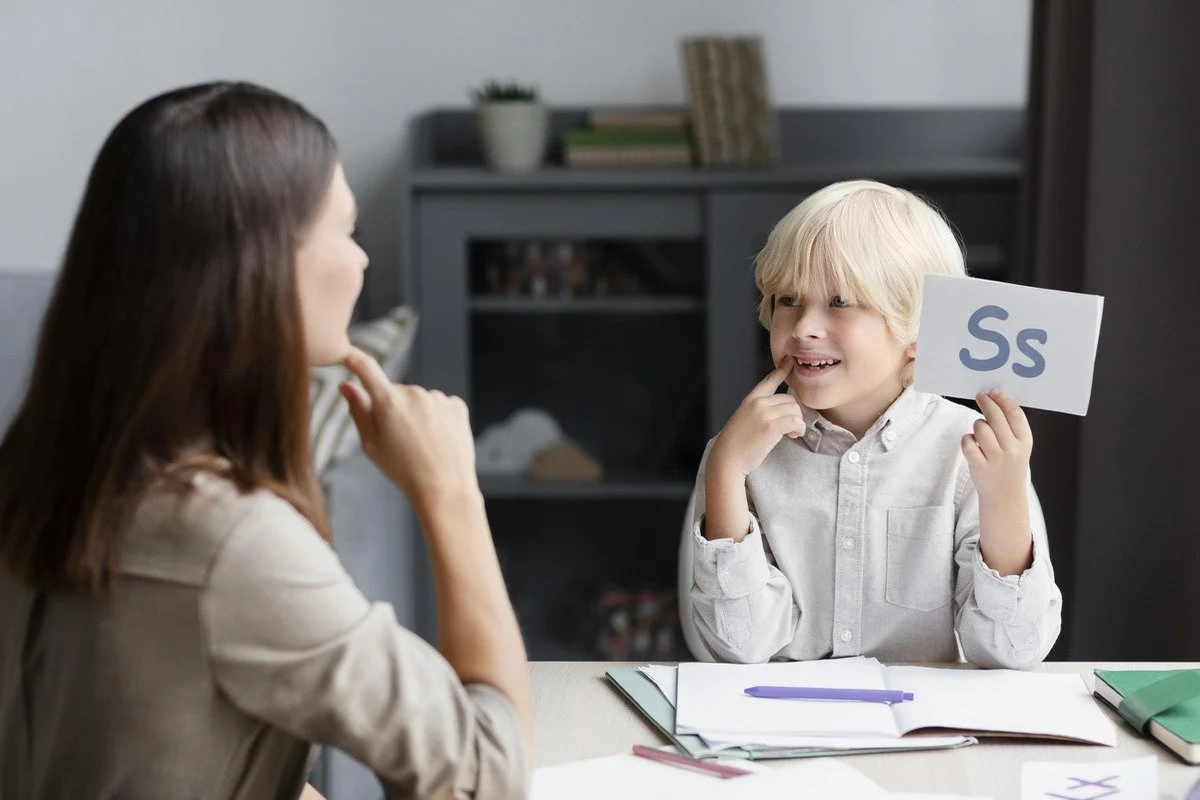
The approaches with the best evidence put a coached adult beside your child at the moment the skill is needed. Weekly social skills groups, the first thing parents get steered toward, have the weakest evidence on this list.A Cochrane team reviewed 25 randomized trials covering 2,690 children and found gains too small to matter in daily life, with no real change in teacher-rated social skills. A 2025 review in the Journal of Attention Disorders pooled 10 school studies and landed on an effect size of 0.09. Intensity, setting, and parent involvement didn't move it.Children's Hospital of Philadelphia names the reason: performance deficit. Kids have the knowledge and can't deliver it live. A group teaching knowledge on Tuesday doesn't touch Thursday's recess.
| Approach | What the Evidence Shows | Best Used For |
|---|---|---|
| Weekly Clinic Skills Group | 2019 Cochrane: 25 trials, 2,690 kids, gains too small to matter | Naming feelings, not changing recess |
| School-Based Skills Program | 2025 Journal of Attention Disorders: effect size 0.09 across 10 studies | Only alongside classroom behavior management |
| Behavioral Parent Training | Sits under every validated program CHOP lists: an adult is there when the skill is needed | Ages 4 to 12 |
| Parent Friendship Coaching | 8 sessions; more play dates tracked with better social functioning | Kids getting zero invitations |
| Summer Treatment Program | 8 weeks, all day. Best research base of any option, though gains stayed small | Families who can give up a summer |
| Medication | Cuts interrupting and restlessness. Teaches zero social skills | Support for the rows above, not the plan |
| Executive Function Coaching | Targets the delay in waiting, planning, and working memory, not the surface behavior. Shifts in 4 to 8 weeks | Middle school and up |
Ask any provider for their evidence before you pay. Every number here links to its source study, a rule we keep with the marketing partners who vet our sources. ADHD advice online is thick with statistics nobody can trace.
Federal survey data counts 7 million US children aged 3 to 17 with a current ADHD diagnosis, and 30% got no medication and no behavioral treatment in 2022, up from 23% in 2016.
How Can You Build Social Skills at Home?
Home is your best practice ground, because you're there when it goes wrong. Pick 2 of these. Trying all 7 guarantees you run none.
Use shows as a script
Pause a movie mid-scene. Ask what that character should have said, and what the other one's face was doing. Fiction is safer to critique than your child's own day.
Rehearse the hard moment first
Name the situation coming up: sharing a controller, losing a game, joining a table at lunch. Act it out badly on purpose, then well. Kids remember the version where you play the annoying kid.
Keep a 3-line social log
Not a diary. Three lines after school: what happened, how the other kid seemed, what you'd change. Two weeks of it beats any lecture.
Are group chats and games actually bad for this?
No, when supervised. Voice chat in a co-op game forces turn-taking with real stakes, and builds the digital literacy your child needs. Set rules, then step back.
Play games that force waiting
Uno, Jenga, Pictionary, Scrabble, Hedbanz. The mechanic matters more than the title. Pick games that force waiting, watching, and losing.
Build a story one line at a time
Take turns adding one sentence. Your child has to listen to yours to write theirs. Cheapest listening drill there is.
Name the behavior, then catch it happening
Pick one target: "let people finish." Praise it within 5 seconds. Delayed praise barely registers with an ADHD brain, and vague praise registers less.
If drifting has turned into targeting, that's a different problem, and exclusion turning into bullying needs the school involved, not more practice at home.
If You Change One Thing This Month
Stop treating your child's social trouble as a character problem and treat it as a timing problem. What reads as rudeness is a 3-year lag in the brain's pause button, and it responds to coached practice at the moment it's needed.
That's the approach behind The Ladder Method, in virtual sessions or in-person coaching in Los Angeles, and you can read how our coaches are trained before booking a call. The gap between ADHD and social skills doesn't close on its own, and it doesn't wait for high school.
Frequently Asked Questions
Does ADHD always affect social skills?
No. Plenty of children with ADHD have friends and read a room well. The risk is raised, not guaranteed. In the MTA study, 52% were peer-rejected, which also means 48% weren't.
At what age do ADHD social problems show up?
Usually between ages 5 and 8, when unstructured group time starts mattering. Preschool play is refereed by adults. Second-grade recess isn't, and that's where other kids notice the gap.
Will my child grow out of it?
The delay narrows with age but doesn't vanish on schedule. NIMH imaging found cortical maturation about 3 years behind, and 5 years behind in the prefrontal region. Adults carry a version of it, which is why adult work and leadership coaching exists.
Is emotional blowup part of ADHD or something separate?
Usually part of it. A 2024 Nature Mental Health study using the ABCD cohort found 51.4% of children with high ADHD symptoms showed emotional dysregulation and 27.4% met criteria for an anxiety disorder. Medication helps attention more than emotion.
Do social skills groups for ADHD ever help?
For teaching vocabulary and rules, sometimes. For changing behavior at school, the evidence is poor. The 2019 Cochrane review of 25 trials and 2,690 children found nothing that held up in teacher ratings. Put the money into parent coaching or a program that runs where your child socializes.
How long before we see a change?
Most of our families notice a shift in 4 to 8 weeks, in one narrow behavior before anything else. Nobody fixes ADHD and social skills in a month, so judge progress by whether that one behavior held. We track new research in our ongoing ADHD coverage.