Finals Week Survival Guide for the Executive Functioning Brain (Less Nagging, More Peace)
If finals week turns you into a different version of yourself–the nagging, stressed, “WHY won’t you just DO it” version… I see you.
Because finals week isn’t just “a lot of tests.”
For many university students—especially those navigating executive functioning challenges—finals week is a perfect storm of:
Tons of deadlines
Time blindness
Figuring out what to prioritize
Having to sustain focus
Working your memory
Emotional pressure (the kind that makes everything feel super urgent and very personal)
And the hardest part? You’re expected to manage all of this independently—often alongside work, leadership roles, applications, and other responsibilities.
So this is your realistic finals week guide–Not hustle culture. Not aesthetic study routines.
Just steady, doable systems that support your brain when demand is high.

Why finals week hits executive functioning so hard (quick brain note)
Finals require a student to do a bunch of “invisible” skills at once–skills that don’t show up on the test, but determine whether they can get to the test prepared.
Executive functioning is the brain’s management system. It helps with:
Planning and sequencing
Task initiation (starting)
Working memory (holding steps in mind)
Inhibition (ignoring distractions)
Emotional regulation (staying steady under stress)
When demand spikes, like it does during finals, this system gets overloaded.
And overload doesn’t always look like “I’m stressed.”
It can look like:
Procrastination
Shutting down
Irritability
Tears
“Forgetting” things
Feeling helpless
Avoidance (that makes no sense to you, but makes perfect sense to a brain that’s maxed out)
So if your child is melting down, it doesn’t mean they don’t care. It’s often proof their brain is carrying too much without a system.
Let’s build that system.

1) Make the invisible visible: Build a “Finals Dashboard”
Most kids don’t fall apart because they didn’t study.
They fall apart because the plan lived in their head, and their head was already full.
So let’s take the plan out of the head and put it somewhere the whole family can see.
Pick one spot to hold the plan:
A whiteboard
A printed calendar
A shared Google Doc
Sticky notes on the wall
Notes app + a screenshot they keep at the top of their camera roll
Add:
Every test / project
The dates
What counts the most (if you know)
And the magic ingredient: mini steps
Because reasoning with “Study science” to your child is not a plan. To them, it can sound like pressure without guidance.
Instead of: Study science
Try:
Find the review guide
Highlight key terms
Do 10 practice questions
Review wrong answers
Make 10 flashcards
Teach me 3 concepts out loud
Mini steps reduce overwhelm and reduce avoidance. They also give you something specific to praise: “You started. You did the first step. That matters.”
What I’d say to a child:
“Your brain shouldn’t have to hold all these details. We’re building a system to hold them for you.”
Parent pro-tip:
If your child gets overwhelmed looking at the whole week, cover everything on your schedule except “today” and “tomorrow.” We’re not trying to motivate with panic. We’re trying to create method and calm.
2) Switch from self-policing to self-coaching
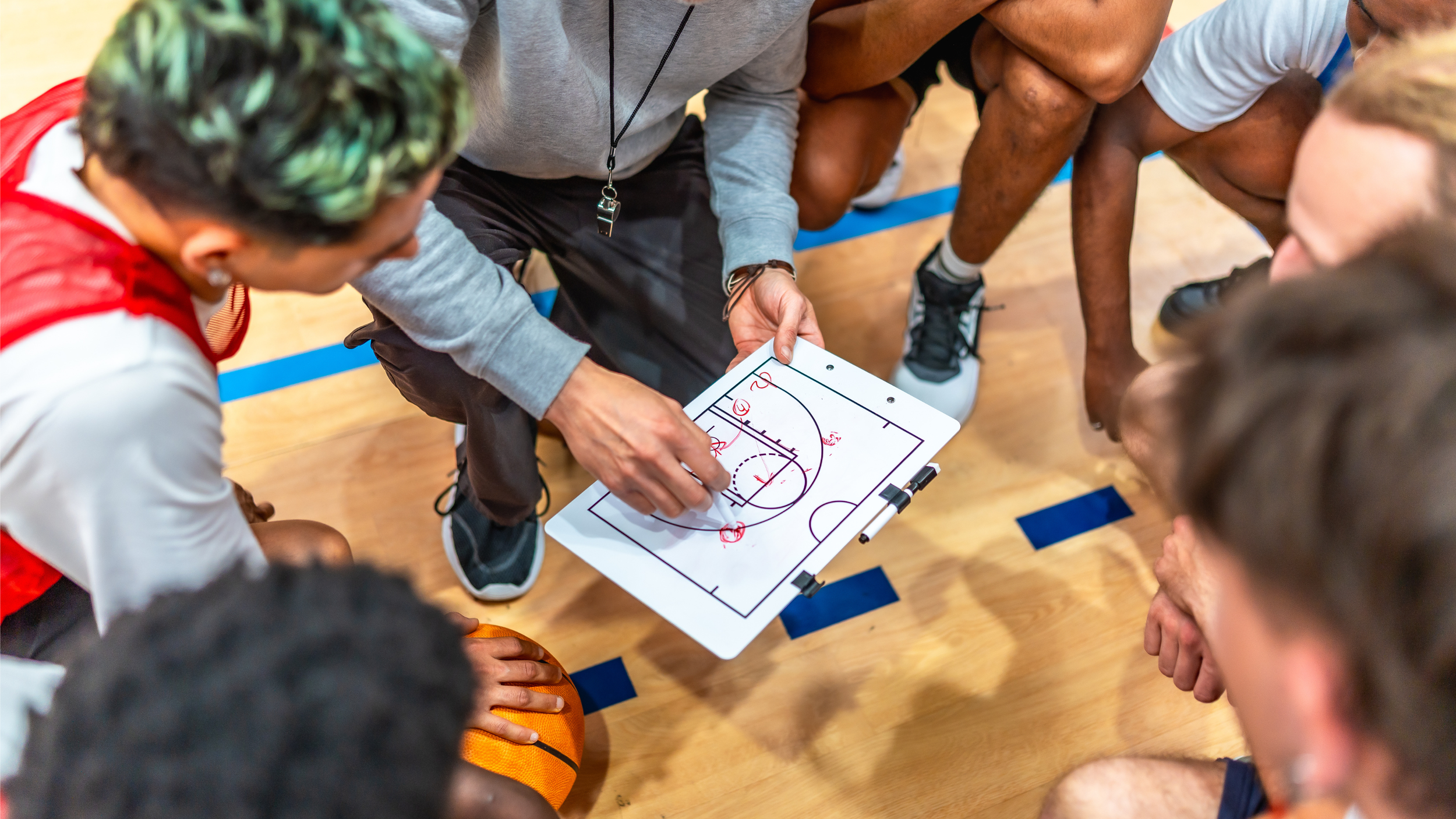
During finals, parents often swing between two survival modes:
Cop mode: hovering, monitoring, warning, checking, repeating yourself
Rescue mode: doing too much, staying up late, fixing, saving, absorbing the stress
Both come from love. But both usually increase anxiety.
What helps most is Coach mode: structure + empathy + accountability without shame.
The 5-minute daily check-in
Pick a predictable time (after school snack, after dinner, whatever works) and ask:
“What’s due next?”
“What’s your plan for today?”
“What might get in the way?”
“What support do you want from me?”
Then pause. Let them answer.
If they say, “I don’t know,” don’t take the bait and escalate. That’s overload talking.
Try saying instead:
“Okay. Let’s pick the next smallest step. Not the whole thing, just the next step.”
Coach mode is not hands-off. It’s hands-steady.
Calm is important. The more stressed you seem, the more the environment will feel stressful for everyone.
3) Fix the launch: Starting is the hardest skill
A lot of kids can do the work. They just can’t start the work.
Starting requires:
Shifting gears
Tolerating discomfort
Organizing materials
Choosing what to do first
Resisting distractions
Overriding “I don’t feel like it”
That’s a lot of executive function in one moment.
So we stop asking for two hours of studying and start asking for ten minutes of starting.
The 10-minute launch
Set a timer for 10 minutes
Open materials
Do the easiest part first
At the end, choose: stop or continue
Starting creates momentum. Momentum creates confidence. Confidence reduces avoidance.
What I’d say:
“You don’t have to finish. You just have to begin.”
If your child argues:
“Totally fair. This isn’t a commitment to the whole thing. It’s just a launch. Ten minutes. Then you decide.”
You are not tricking them. You are scaffolding the hardest skill.3) Fix the launch: Starting is the hardest skill
Many students can do the work.
They just struggle to start.
Starting requires:
Shifting attention
Tolerating discomfort
Organizing materials
Choosing what to do first
Resisting distractions
That’s a lot of executive function at once.
So stop asking yourself for hours of studying.
Ask for ten minutes of starting.
The 10-minute launch
Set a 10-minute timer
Open materials
Do the easiest or most concrete task
At the end, choose: stop or continue
Starting builds momentum. Momentum builds confidence. Confidence reduces avoidance.
Useful script: “I don’t have to finish. I just have to begin.”
You’re not tricking yourself—you’re supporting the hardest part of the process.

4) Study smarter, not longer
Longer studying often becomes:
staring → scrolling → panicking → shutting down → “I studied for hours!”
So instead of measuring success by time spent, measure it by brain engagement.
Better studying is active:
Practice questions (retrieval practice)
Teaching it out loud (even to the dog)
Flashcards (but using them to test, not just reread)
Quick summaries in their own words
Making a “what I keep missing” list
Use focus blocks (pick what fits)
25 on / 5 off (classic for attention challenges)
30 on / 10 off
45 on / 15 off (older teens with stronger stamina)
And here’s the key: breaks should restore the brain. Not hijack it. For example, some good breaks are:
water
snack
movement
fresh air
quick stretch
short chore (yes, really—movement resets attention)
While risky breaks include:
scrolling
gaming
YouTube rabbit holes
(If it’s hard to return from it, it’s not a break, but a detour.)
5) Protect the 3 S’s (because they’re the foundation)
If finals week is going off the rails, check these first:
Sleep:
Sleep is not optional. It’s a study tool.
A tired brain panics faster and retrieves slower.
Screens:
Add friction:
phones out of reach during work blocks
timed study sessions
breaks that don’t turn into scroll spirals
Sugar:
Finals week often means chaos-fueling.
Steady combos help: carb + protein, plus hydration.
Sometimes the best support isn’t “push harder.”
It’s “support the system.”
A gentle reframe (for you, too!)
Finals aren’t just about grades. They’re a chance to build skills your child will use forever, like:
Planning
Starting
Coping with stress
Recovering after setbacks
Learning what supports their brain (instead of shaming their brain)
Your child doesn’t need you to be perfect. They just need you to be steady.
And if it’s been a rough week already? That doesn’t mean you failed.
It means you’re human… and parenting a human… during one of the hardest weeks of the year.
So take a breath. Don’t try to “fix finals week” all at once.
Pick one support to implement each day:
A dashboard
A daily 5-minute check-in
A 10-minute launch
Or protecting sleep for one night
Small shifts create safety. Safety creates momentum.
And momentum–quiet, steady momentum–is what gets kids through finals without hurting your relationship with them in the process.