How Does Yelling Affect Children With ADHD?
Yelling negatively affects children with ADHD by increasing anxiety, worsening symptoms, and damaging self-esteem. Children with ADHD are more sensitive to criticism and harsh feedback than neurotypical peers, making loud or angry reactions particularly harmful to their emotional development and behavior regulation. The Ladder Method provides structured support to help families navigate these challenges effectively.
Research shows that yelling can:
Trigger the fight-or-flight response, intensifying ADHD symptoms and making them harder to manage
Reinforce unwanted behaviors, since children with ADHD may perceive any attention, even negative, as rewarding
Lower self-esteem over time, causing children to internalize messages that they are flawed or incapable
Weaken the parent-child bond, leading to avoidance, hidden struggles, and reduced cooperation
Instead of yelling, more effective strategies include giving simple one-step instructions, using positive reinforcement, establishing predictable routines, and practicing "time-ins" that focus on emotional connection rather than isolation. These approaches align with evidence-based methods recommended by leading child development researchers.

How Yelling Impacts Children with ADHD
Yelling affects children with ADHD more deeply than many parents realize. These kids tend to be extra sensitive to criticism and negative feedback. Loud, harsh reactions can increase stress and anxiety levels significantly. This heightened emotional state often makes executive function challenges worse, not better. Interestingly, yelling can accidentally encourage the very behaviors you want to stop. Children with ADHD may see any attention, even negative attention, as rewarding. This creates a cycle that becomes harder to break over time. Research shows that children with ADHD already experience more daily frustration and failure than their peers, making them particularly vulnerable to harsh discipline. When a child's nervous system is already overwhelmed, yelling adds another layer of stress that their developing brain struggles to process effectively. Working with professional coaches can help parents learn alternative approaches that support their child's unique neurological needs.
Potential Negative Effects of Yelling
Understanding the impact of our parenting responses is crucial when raising a child with ADHD. While frustration is natural, it's important to recognize how yelling affects your child's development and well-being. The consequences extend far beyond the immediate moment and can have lasting effects on their emotional health and your relationship.
Higher anxiety levels
Yelling can trigger the fight or flight response in your child. This stress reaction often makes ADHD symptoms more intense and harder to manage. Over time, children may become hypervigilant, constantly anticipating the next outburst, and unable to relax even during calm moments. The chronic stress from repeated yelling can also lead to physical symptoms like headaches, stomachaches, and sleep disturbances. This heightened state of anxiety interferes with their ability to focus, learn, and regulate their emotions effectively. Learning metacognitive study strategies can help children develop better coping mechanisms.
Lower self-esteem
Repeated exposure to harsh words chips away at confidence over time. Children with ADHD may already struggle with self-worth due to their challenges. When yelling becomes a regular response to their behavior, they may internalize the message that they are fundamentally flawed or incapable. This damaged self-image can lead to a self-fulfilling prophecy where they stop trying to improve, believing that failure is inevitable. They may also become more resistant to feedback, even when it's constructive and delivered calmly. Many families find that executive functioning coaching helps rebuild confidence through structured support.
Weakened parent-child connection
Frequent yelling can damage the trust between you and your child. This emotional distance makes cooperation and communication much more difficult going forward. Children may begin to hide their struggles or mistakes rather than seeking your help and guidance. The relationship becomes characterized by tension and avoidance rather than warmth and support, making it harder for your child to feel secure and develop healthy emotional regulation skills. Resources from ADDitude Magazine offer additional strategies for strengthening family connections.
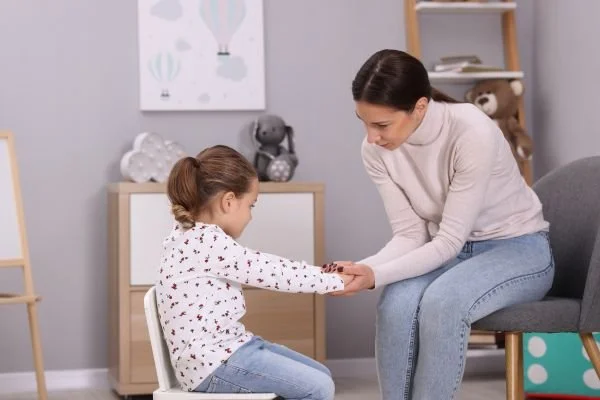
Skip the Yelling: Smarter Discipline Strategies for Kids with ADHD
Yelling rarely works for children with ADHD. In fact, it often makes behavior challenges worse over time. These kids respond much better to calm, structured guidance. The good news is that proven approaches exist. These methods build cooperation without damaging your relationship. Let's explore proven approaches that actually work.
Give Simple, Clear Instructions
Children with ADHD process information differently than other kids. Long or vague directions often lead to confusion and frustration. Break tasks into small, manageable steps that they can follow easily. Use short sentences and maintain eye contact when speaking. This approach reduces overwhelm and increases follow-through on tasks. Understanding how people learn can help parents communicate more effectively.
Keep instructions to one or two steps at a time
Use specific language instead of general commands
Ask your child to repeat instructions back to you
Stay patient and avoid rushing through directions
Working with a tutoring specialist can help reinforce these communication strategies at home and in academic settings.
Create a Predictable Daily Routine
Structure provides essential stability for children with ADHD. A consistent schedule helps them manage emotions and behaviors effectively. Routines reduce anxiety because kids know what comes next. This predictability prevents many meltdowns before they even start. Post visual schedules where your child can see them daily. The EF Works Library offers additional tools for building effective routines.
Set regular times for meals, homework, and bedtime
Use visual charts to outline daily expectations
Give warnings before transitions between activities
Keep weekend routines somewhat consistent with weekdays
Focus on Positive Reinforcement
Catching good behavior works better than punishing bad behavior. Children with ADHD often receive more criticism than praise. This imbalance damages their self-esteem over time. Specific praise tells them exactly what they did right. Rewards motivate them to repeat positive actions again. Check out our student success stories to see how positive reinforcement transforms outcomes.
Praise effort, not just outcomes or results
Offer small, immediate rewards for cooperation
Create a simple reward chart for target behaviors
Celebrate progress, even when it seems small
Try Time-Ins Instead of Time-Outs
Traditional time-outs can feel isolating for kids with ADHD. Time-ins offer a better alternative for emotional regulation. Sit with your child during calm-down moments instead. Guide them through identifying and processing their feelings together. This approach teaches self-regulation skills they can use independently.
Stay calm and present during emotional moments
Help them name the feelings they experience
Practice deep breathing exercises together
Discuss better choices once emotions settle down
Set Clear Boundaries and Consequences
Children with ADHD need consistent rules and expectations. Unclear boundaries lead to repeated behavioral challenges at home. State rules simply and post them where everyone sees them. Make consequences predictable and directly related to the behavior. Follow through every time without making exceptions. Resources from AUSM provide additional guidance on setting effective boundaries.
Write down household rules in simple language
Connect consequences logically to specific behaviors
Apply consequences calmly without anger or lectures
Revisit rules regularly as your child grows

Addressing Challenging Behavior Using a Time-In Approach
Time-ins have become a popular and effective method for managing behavior. This approach works especially well for children with ADHD. Unlike traditional time-outs, time-ins focus on connection and teaching. Parents guide their child to recognize and understand their emotions. This process helps children develop important self-regulation skills over time. The goal is to build emotional awareness rather than simply punish behavior. Children with ADHD often struggle with impulse control and emotional regulation. Time-ins provide a supportive framework for learning these essential skills. This method creates opportunities for meaningful parent-child communication during difficult moments. Learn more about what makes this approach different from traditional discipline methods.
How to Use a Time-In Successfully
Follow these simple steps to implement this approach with your child.
Notice the behavior: Calmly point out the specific action that needs attention.
Talk about feelings: Ask your child what emotions they experienced during the moment.
Explore what happened: Help your child identify what may have triggered the behavior.
Find better solutions: Encourage your child to suggest more helpful responses for next time.
Review the rules: Remind your child of expectations and what happens if behavior continues.
Children with ADHD benefit greatly from this structured and compassionate approach. Consistent practice helps them internalize better coping strategies over time. Our dedicated support team can provide additional guidance for implementing these techniques.

Creating a Loving Home for Children with ADHD
A supportive home environment matters just as much as using the right discipline strategies. Children with ADHD thrive when they feel safe, understood, and organized. Focus on these key areas to help your child succeed every day. Creating consistent routines and clear expectations provides the structure that helps reduce anxiety and behavioral challenges. When parents approach difficulties with patience and work together as a team, children feel more confident and capable. Remember that small, positive changes in your home environment can lead to significant improvements in your child's daily functioning and overall well-being. Explore our blog for more practical parenting strategies.
Support Your Child's Emotional Health
Feelings can feel big and overwhelming for children with ADHD. Let your child know that all emotions are valid and okay. Create a safe space where they can share without fear of judgment. When kids feel emotionally supported, they build confidence and self-esteem. This foundation helps them handle daily challenges more effectively. The Life Skills Advocate offers valuable resources for building emotional resilience.
Acknowledge your child's feelings without dismissing them
Offer comfort during frustrating or overwhelming moments
Celebrate small wins to boost their emotional confidence
Build Strong Communication Habits
Open conversations strengthen your bond with your child. Set aside regular time to talk about their day and experiences. Ask about their worries, successes, and anything on their mind. This routine builds trust and emotional connection over time. Children with ADHD often process things differently, so patience matters here. If you'd like to find a coach near you who can help strengthen family communication, explore our local options.
Schedule daily check-ins, even if they are brief
Listen actively without interrupting or rushing to fix things
Encourage honesty by responding calmly to what they share
Help Your Child Stay Organized
Organization does not come naturally for many children with ADHD. Teach simple systems for keeping belongings and tasks in order. Use visual cues like labels, bins, and checklists to reduce confusion. Keep shared spaces tidy to minimize distractions and improve focus. A clutter-free environment supports better attention and daily routines. Additional ADHD management tips can help reinforce organizational skills at home.
Break tasks into small, manageable steps
Create a consistent spot for backpacks, homework, and supplies
Use timers or alarms to help with transitions
Practice Patience Every Day
Parenting children with ADHD can test your patience regularly. Remember that your child is not acting out on purpose. Understanding their unique brain wiring helps you respond with compassion. Stay calm during difficult moments to model healthy emotional regulation. Your resilience strengthens your relationship and builds their trust in you. Read about our founder's approach to supporting families through these challenges.
Take deep breaths before reacting to challenging behavior
Remind yourself that progress takes time
Seek support when you feel overwhelmed or frustrated
Conclusion
Raising a child with ADHD requires patience, understanding, and intentional strategies that support their unique neurological needs. While yelling may feel like a natural response to frustration, it ultimately worsens ADHD symptoms, damages self-esteem, and weakens the parent-child bond. Children with ADHD are especially sensitive to harsh feedback, making calm and structured approaches far more effective. Understanding the founding principles behind effective coaching can help parents implement lasting change.
By implementing clear instructions, consistent routines, positive reinforcement, and time-ins, parents can guide their children toward better behavior while preserving emotional connection. Creating a loving, organized home environment where feelings are validated helps children with ADHD build confidence and develop essential self-regulation skills. Remember that progress takes time, and seeking support when needed is a sign of strength, not weakness. With compassion and the right tools, you can help your child thrive. Consider exploring partnership opportunities or contact us to learn how we can support your family's journey.
FAQs
Why is yelling particularly harmful to children with ADHD?
Children with ADHD are more sensitive to criticism and negative feedback than neurotypical peers. Yelling triggers their fight-or-flight response, intensifying symptoms and making emotional regulation even harder.
Can yelling actually reinforce bad behavior in children with ADHD?
Yes. Children with ADHD may perceive any attention, including negative attention, as rewarding, which can unintentionally encourage the behaviors you're trying to stop.
What is a time-in, and how does it differ from a time-out?
A time-in involves sitting with your child during emotional moments, helping them identify feelings and develop coping strategies. Unlike time-outs, it focuses on connection rather than isolation.
How can I stay calm when my child's behavior feels overwhelming?
Practice deep breathing, remind yourself that your child isn't acting out intentionally, and seek support from professionals or parent groups when needed.
What's the most effective discipline strategy for children with ADHD?
Positive reinforcement combined with clear, simple instructions and consistent routines tends to be most effective, as it builds cooperation without damaging self-esteem.